
 |
We saw that wars have rhythms too — they have beginnings and endings. But in between…when you start a war, you open the gates of Hell. Who knows what will come out? But today, we sway to the rhythms of the investment world – and pet the Hellcats that dance in its back alleys. Read More |
 |
07.24.26- Getting Away with Murder: Under Trump, the Buck Stops Nowhere
“If you kill Americans, if you threaten Americans anywhere on Earth, we will hunt you down without apology and without hesitation and we will kill you.”— Secretary of War Pete Hegseth Having burned through billions of dollars and depleted critical munitions stockpiles, the Pentagon is running out of money. Our money. Read More |
 |
07.23.27- We’re Headed for a Depression
|
 |
06.10.26- The Brutal Truth About the Upcoming Stagflationary Simmer
|
 |
06.08.26- The Elon Premium is Real
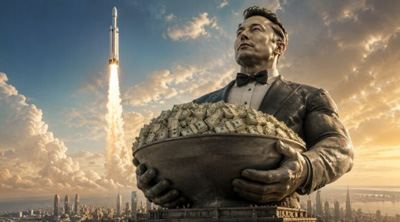
It’ll be a bit like the Superbowl for investors, on steroids. But bigger. The valuation (market cap) of SpaceX at IPO is expected to be around $1.75 trillion. Read More |
 |
06.05.26- The Brutal Truth About the Upcoming Stagflationary Simmer
|
 |
06.03.26- Commodity Markets Are Living On Borrowed Time
|
 |
06.01.26- The Real Cost of Supporting the Zionist Secular State of Israel
The latest part of this conspiracy was the questionable defeat of Representative Thomas Massie in the most expensive Representative race in history at $35 Million, where the electorate impossibly seemed to double. He was the only Representative in Congress who didn’t take Jewish money and objected to our support of Israel. Read More |
 |
05.29.26- Beware the Alternatives to Capitalism and Socialism
|
 |
05.27.26- Gold Miners Are a Screaming Buy Here
|
 |
05.25.26- One Chart Says It All: Something is About to “Snap”
Disturbances…We are all familiar with the front pages and their “disturbances.” We’ve seen conflicts from Kyiv to Gaza to the Strait of Hormuz.Read More |
 |
05.22.26- SpaceX Files For Nasdaq IPO
|
 |
|
 |
05.18.26- America’s Debt Just Crossed a Dangerous Line
|
 |
05.15.26- Trump's Tariff Troubles
|
 |
|
 |
05.11.26- Don’t Be Fooled by
Everyone does, really. After all, does anyone really like walking up to people and telling them what they don’t want to hear (unless they’re just being spiteful)? No, they don’t, and I’m just like the average person in that regard: I prefer telling people something good. I prefer telling people something that makes them smile and feel hopeful. Read More |
 |
05.08.26- Doug Casey on the New Fed Chair and the Coming Inflation Wave
Doug Casey: Before we look at Warsh, let’s look at what a Fed Chair can do. The Fed has 12 governors, but we generally only hear about the Chairman. While he’s only got one of the 12 votes, the others traditionally follow his lead because of his prominence and extra powers. He’s the major, even the sole, spokesperson for the Fed. He has several emergency powers, which in today’s unstable world are more important than ever. Read More |
 |
05.06.26- Market Correction Risk: Why Summer 2026 Looks Risky
|
 |
05.04.26- A Gold Bug vs. Washington D.C.: Judy Shelton on the Fed, Gold and Monetary Policy
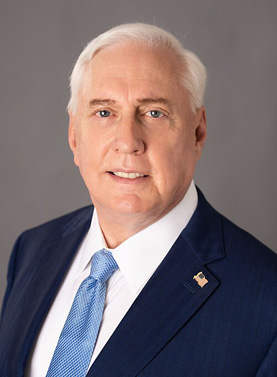
Sure, she’s advised presidents and rubbed shoulders with the likes of Paul Volcker and Alan Greenspan. She was even nominated to serve as a Federal Reserve governor. But there is one big difference between Shelton and your typical D.C. monetary policy wonk. She’s a “gold bug” who believes in sound money. Read More |
 |
05.01.26- Rand Paul’s “Six Penny Plan” to Balance the Federal Budget in Five Years
|
 |
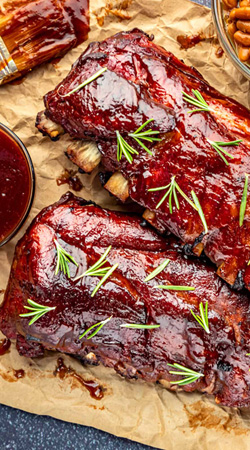
PETA, eat your heart out! Read More |
 |
04.27.26- Battered Budget Airlines Ask White House For $2.5 Billion Lifeline
|
 |
04.24.26- Petroyuan will mature in bursts of crisis
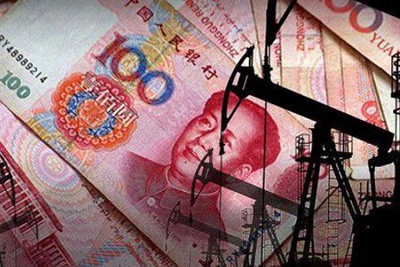
The petroyuan — oil and energy trades settled in Chinese yuan rather than US dollars — is not emerging exclusively because countries want to ideologically hammer the dollar, although that it is inevitably part of it. Read More |
 |
04.22.26- Peace Won’t Fix This: The Closure of the Strait of Hormuz Has Already
|
 |
04.20.26- Prices Are Rising – and the Elite's “Solutions” Are Getting More Outrageous
English translation: “Let them eat cake.” More literally, brioche, a delicious luxury bread made with lots of eggs and butter. Read More |
 |
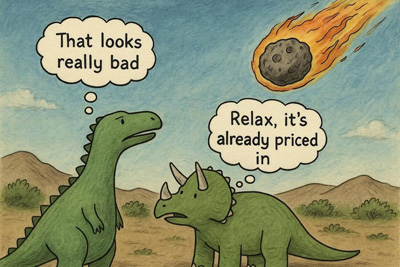
04.17.26- Can You Price In No Longer Pricing Things In?
|
 |
04.15.26- The Glorious Return of Fundamentals
Slowly, investors are beginning to appreciate fundamentals again. After more than a decade of reckless speculation, meme stocks, gambling, and ultra-low interest rates, we are starting to see a return to old-school investing. Read More |
 |
04.13.26- And Now, for Something Entirely Different: The US Separation From Europe And NATO Is Long Overdue
|
 |
04.10.26- Peace Deal or Not, the Inflationary Shockwave Is Already in the Pipeline
|
 |
04.08.26- And Now, for Something Entirely Different: Israel Is Not America's Ally
|
 |
And Now, for Something Entirely Different:
|
 |
04.03.26- The Debt Spiral That Ends in Dollar Destruction: 6 Hard Truths America
Let’s take a step back and look at the big picture so we can assess the US government’s financial situation, where it’s likely headed, and what these trends could mean. Observation #1: It’s Politically Impossible To Cut Spending Among the biggest expenditures for the US government are so-called entitlements like Social Security and Medicare. Read More |
 |
04.01.26- And Now, for Something Entirely Different: Springtime For RINOs
|
 |
03.30.26- Why Gold Is Dipping While the Market
|
 |
03.27.26- The Only Thing You Need
Perhaps 100 people in the entire world know the reality about what is transpiring between the U.S./ Isreal and Ira
|
 |
|
 |
03.23.26- Real Money Terms
Today, we raise our heads slightly, out of the Maximum Safety foxhole, to see if things have changed. Since 1999, the dollar’s purchasing power has been roughly cut in half. But in our preferred money — gold — everything has gotten cheaper. Read More |
 |
03.20.26- And Now, for Something Entirely Different: 'And Whether Pigs Have Wings Part One: Something Wicked This Way Comes
|
 |
03.18.26- The Danger of Deflation(Phobia)
I stole that line from Murray Rothbard. It’s not inflation that we should fear, it’s the opposite— deflationphobia, which is the fear of falling prices. We should fear deflationphobia because it leads to a very dangerous institutional monetary policy: inflation targeting. Read More |
 |
03.16.26- And Now, for Something Enrirely Different: Time to Pull the Plug On Trump and Netanyahu
The extent to which Israeli interests have come to dominate US foreign policy in the Middle East can be measured in terms of its effectiveness if one considers the seven trips to the US made by Israeli Prime Minister Benjamin Netanyahu during President Donald Trump’s first year in office. Bibi received a passionate reception from Congress and the media which came in spite of the fact that he was the man principally responsible for a horrific genocide being conducted against the Gazans and, more recently, unprovoked attacks on primarily civilian targets on the Palestinian West Bank as well as in neighboring Lebanon and Syria. Read More |
 |
03.13.26- Cost of the Iran War—
When a $35,000 Iranian drone can force the US or Israel to fire interceptors costing millions, what does that say about the economics of modern war, and who really benefits in a conflict defined by that kind of asymmetry? Read More |
 |
|
 |
03.09.26- The Hidden Inflation Risk from the Iran Conflict
|
 |
03.06.26- And Now, for Something Entirely Different: Trump's Iran War as America's
|
 |
03.04.26- The Iran War vs. Your Portfolio
And we have much to discuss this week. Today we’re going to examine several investment implications of this renewed conflict. Read More
|
 |
03.02.26- What War With Iran Could Mean For Markets Monday
|
 |
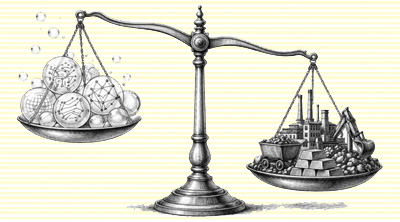
02.27.26- HALO: The Great Rotation Has Begun
Software is the poster boy here. The sector was attractive because once you build a software product, it doesn’t cost much to onboard new customers. There’s no physical cost to create a new software license. It’s all done in the cloud these days. Read More |
 |
02.25.26- When Government Favors Big Business over Small Enterprise
|
 |
02.23.26- Grinding the American Middle Class
That dream turned to a nightmare for many American families during the epic real estate bubble and subsequent bust in 2008-09. What’s more, in the near two decades that followed, federal monetary policies coupled with restrictive local development standards have huffed and puffed an even more perilous bubble than the last one. Read More |
 |
02.20.26- The World’s Hottest Trade Is Built on Fake Money... And It’s About to Collapse
Since Chat-GPT was unveiled by OpenAI in November 2022, AI-related stocks have accounted for 75% of market gains, 80% of market profits, and 95% of capital expenditures. Read More |
 |
02.18.26- "The Entire System is Gonna Collapse..."
|
 |
02.16.26- Time to Start Hedging
Take a look at the chart below, which shows the S&P 500 CAPE P/E (price-to-earnings) ratio. The CAPE P/E ratio is one of the best measures of how expensive a stock or index is. It shows how pricey stocks are based on the last 10 years of earnings. Read More |
 |
02.13.26- A Market Crash and Recession Are Bullish,
One of the most peculiar hyper-normalized hallucinations about "Capitalism" is that markets and the economy "should always go up" and if they don't, something is terribly wrong and somebody better do something to fix it. Read More |
 |
02.11.26- One Glitch Away From Chaos
|
 |
02.09.26- The Idiocracy That Is California Politics
|
 |
02.06.26- Gold’s $5,500 Week
|
 |
02.04.26- From Inflation to Hyperinflation: The Gathering Monetary Hurricane
|
 |
02.02.26- Mining Co. "Finds"
For those of you who don’t know Dr. Steve, he was one of the most successful newsletter writers and investors ever. He retired from Stansberry Research to surf, invest, and live the good life. Read More |
 |
01.30.26- The Melt-Up Trap: Why Stocks Must Rise Until the Dollar Breaks
Each month, the university surveys households across the country, asking straightforward questions about personal finances, job prospects, inflation, and expectations for the future. Those responses are distilled into a single number that captures the public’s economic mood. Because it has been tracked for decades, the index offers a long-running reality check on confidence at the household level. Read More |
 |
01.28.26- The Bullish And Bearish Case For 2026
|
 |
01.26.26- Forget $5,000: Bank of America sees gold price hitting $6,000/oz by Spring 2026
|
 |
01.23.26- The Stock Market Isn’t a Market Anymore — It’s a Political Control Mechanism
Its primary purpose was once straightforward: a venue where companies could raise capital by selling shares to the public, and where investors could freely buy and sell those shares among themslves. Read More |
 |
01.21.26- Gold and Silver Explosion: Something Big Is Happening
In early 2020 at the beginning of the pandemic hysteria I noted that the covid panic seemed to perfectly coincide with the Federal Reserve's acceleration of interest rates and asset dumping. This trend, I argued, was a precursor to a Catch-22 scenario I have been warning about for some time. Read More |
 |
01.19.26- And Now, for Something Entirely Different: What is left of America?
|
 |
01.16.26- World on Fire? Be a Buyer!
You see, the Chicken Little Austrian School forgets to remind its adherents to gather ye rosebuds while ye may. That is, there’s a boom before the bust, and one has to make hay while the getting’s good, no matter how much you disagree with the prevailing fiscal or monetary policy. Read More |
 |
01.14.26- Snouts at the Trough
It started with an independent journalist named Nick Shirley and his viral investigation into government-funded daycares. As I’m sure you all know by now, he visited a bunch of them on camera, and most were empty on a school day. Many had boarded-up windows, and no outdoor play areas. And the star of the show was the “Quality Learing Center”: Read More |
 |
01.15.26- Cash Cut-Off Has
|
 |
01.09.26- Three Monetary Riddles for the New Year
|
 |
01.07.26- And Now, for Something Entirely Different: False Choice: Individualism Vs Collectivism
|
|
01.05.26- The Maths of a Debt Trap
But it’s not just the dollar. Economies in the Eurozone and the UK have insufficient growth to support their colossal mountains of government debt. In this article, I explain the mechanics of a debt trap. And how a combination of rising interest rates reflecting growing risk and stagnating economies bring on debt traps, leading to yet higher interest rates making the situation even worse. Read More |
 |
01.02.26- Expect the Precious Metals Rally to Continue in 2026
Among AI stocks, only Palantir outperformed gold. Read More |











 Radhika Desai:
 The SpaceX IPO next week is going to be nuts.







 Judy Shelton isn’t your typical Washington insider.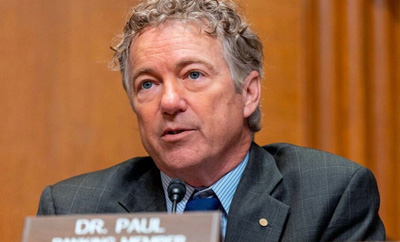
 “First they came for the sheep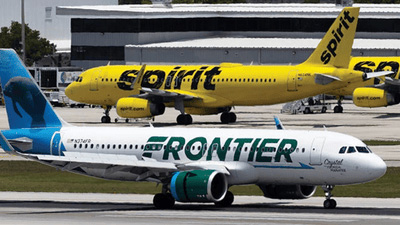




 Let’s be clear about the situation in Iran.

 (Editor's Note: One of the perks of editing "the Bear" is getting to repost my own rants.In an ongoing attempt to "turn the lights back on" I chose to start out the year (2012) with a three part piece, entitled; "And Whether Pigs Have Wings" The point of this series is an attempt to wake up those of you that are not exactly sure what I mean when I bring up the "Dumbing Down" of America. This will be Part one, through which I will try to enlighten you to a far larger, and much more insidious conspiracy that is intended to take absolute control over you, everything you have, and every thing you do. We have to take this journey one step at a time so as to keep it from becoming "overwhelming". In this part I will try and exhibit the fact that some of the things you are absolutely sure of are absolutely wrong.- JSB)

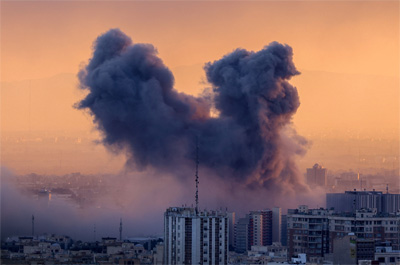
 If Iran actually starts deploying naval mines in the Strait of Hormuz, we are going to see a gigantic wave of panic sweep through global financial markets. At this moment, any commercial vessels that attempt to pass through the Strait of Hormuz are sitting ducks for Iranian drones and missiles. That is why traffic through the Strait has essentially been paralyzed, and this has created
 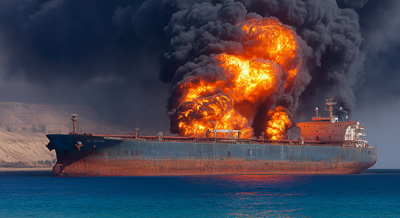 The Iran conflict.
 Seventy years ago both Britain and France were still regarded as great military powers. Having emerged in the winner’s circle of World War II, they had been given permanent seats and veto power on the Security Council of the fledgling United Nations, taking their places alongside America, the USSR, and China.
 What a crazy weekend. I spent it absorbed in the war with Iran.
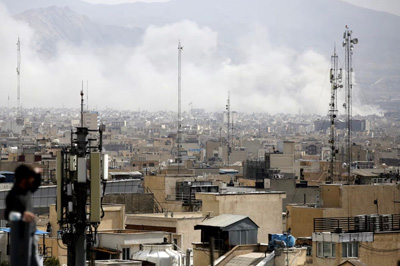 Bloomberg macro strategist, Michael Ball, warned that President Trump’s urging of Iranians to overthrow the government gives Saturday’s US and Israeli strikes on Iran the potential to usher in a more prolonged higher-volatility era rather than being a one-off tradeable shock.
  For the past 15 years, investors have crowded into “capital light” stocks.
 The housing market, for much of the 20th century, was the bedrock of the American Dream. Home ownership, and the financial stability it represents, was a sure path to middle-class prosperity.
 The dominant theme for the markets since late 2022 has been the AI trade.
 U.S. stocks today trade at valuations that rival prior peaks such as 1929 and 2000.
 This isn't "Capitalism," it's Model Collapse ushering in the inevitable conflagration.
  It started early—just another Monday morning. You rolled over, hit the alarm, and asked Alexa for the weather. Silence. Your Ring camera was dead. The banking app wouldn’t load. Even your coffee maker’s “smart” setting was useless. You figured it was the Wi-Fi, until you saw the headlines: Amazon Web Services had crashed.
  After having lived in California the past four years, I can attest to the near-insanity of progressive politics in this state, yet California’s very progressive governor, Gavin Newsom, is considered a front-runner for the Democratic Party’s nomination for president in 2028.
  Gold briefly touched $5,500 before pivoting in a dramatic pullback. But history shows that new highs matter more than short-term volatility – especially when global demand for physical metals quietly hit a record…
 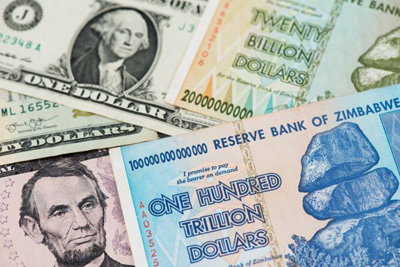 Inflation is an elusive term. In 1983, Webster’s New Universal Unabridged Dictionary defined Inflation as:
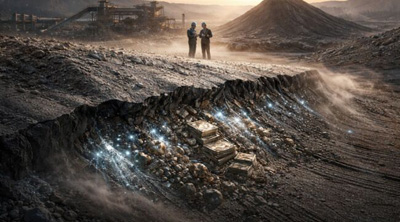 On August 24, 2006, I joined Dr. Steve Sjuggerud on a trip to Tennessee. He asked me to come with him to visit a zinc smelter, of all things.
 The University of Michigan Consumer Sentiment Index is one of the clearest windows into how the average American actually feels about the economy.
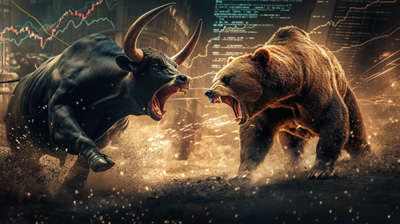 The year ahead presents both a bullish and bearish case for investors. Will 2026 be another year of above-average returns, or will it be a year of disappointment? The bulls argue that the key ingredients for a sustained rally are in place. A powerful technology cycle, aggressive corporate spending, and supportive policy measures all point to further gains. Conversely, the bears argue that key drivers are weakening, market leadership is dangerously narrow, and signs of economic strain are becoming increasingly visible beneath the surface.
 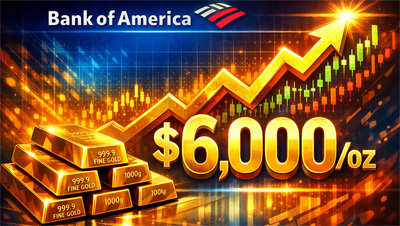 NEW YORK (January 23) As markets brace for gold to hit the once-unthinkable $5,000 price level, Bank of America has raised its near-term
 It has become increasingly clear to me that the stock market is no longer a stock market in the traditional sense.
 Gold and silver prices, according to Brandon Smith of Alt-Market.com, are signaling stress under the surface of the economy. From shrinking physical inventories to record central bank buying, precious metals warn that the underlying issues aren’t resolved…
 The Democrats in Minnesota are in an openly declared insurrection against the government of the United States. The insurrection is led by the Jewish Democrat left-wing mayor of Minneapolis and by the Democrat left-wing governor of Minnesota, who Democrats thought was qualified to be vice president of the United States. Unlike the January 6 Trump supporters who attended a rally in support of an honest vote count of the 2020 election, there is a real insurrection underway in Minnesota where violence is being used against federal agents performing their lawful duty of deporting aliens who entered the United States illegally and are residing in the United States illegally. Yet no arrest warrants have been issued by the US Department of Justice for the two ring-leaders of an actual insurrection that is using violent force against federal law enforcement officials.
  I spent years in the financial wilderness, waiting for the sky to fall.
 The scale of fraud allegedly being committed by Somalian immigrants in Minnesota has shocked the country.
 Three monetary riddles, partially overlapping, require at least a tentative solution before work on any genuine forecast for 2026 and beyond should begin. The completion of the forecast depends further on the taking of a view about the pre-election US monetary stimulus policy of 2025-6. How will this rank alongside previous episodes of the same phenomenon including the Nixon shock of 1971/2, the Volcker/Baker devaluation policy of 85-6, and the Bush/Greenspan devaluation and near zero rate policy of 2003-4.
 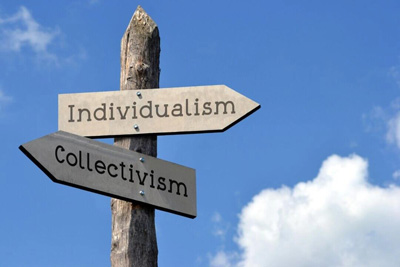 The Second World War had ended and the Cold War had already begun. The public was exhausted from grand ideological struggles. The notion that the United States would embark on yet another global campaign seemed implausible. And yet, there was Harry Truman in 1948 warning about the new threat: the Russians.
 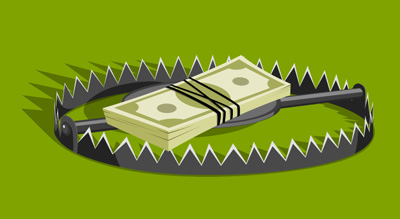 Stagnating economies, together with high government debt loads, inevitably create funding crises and debt traps. Nowhere is this problem more destructive than for the fiat dollar.
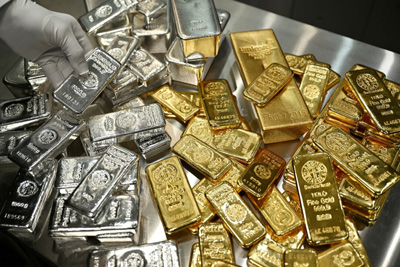 2025 was an extraordinary year for precious metals. Gold, silver, and platinum each outperformed other asset classes, including equities, bitcoin (2024's best performer), and even indexes tracking artificial intelligence (AI)—one of 2025's most popular investment themes.Silver and platinum rose by approximately 170 percent in 2025, while gold returned a highly respectable 73 percent.