|
 |
 |
 |
 |
 |
 |
 |
 |
08.07.26- Yield Curve Control: How the Fed Will Quietly Confiscate Your Wealth
It is not. It is one of the most important tools of financial repression. In plain English, yield curve control means the central bank decides what interest rate the government should pay on its debt—and then uses its money-printing power to enforce that rate. Read More |
 |
07.25.26- The trade-offs of a quieter Fed chief
|
 |
07.22.26- The Fed’s New Inflation Promise Has an Old Problem
|
 |
06.10.26- And Now, for Something Entirely Different: The Hazards of Criticizing
|
 |
06.08.26- Remembering the Mogambo Guru
|
 |
06.05.26- And Now, for Something Entirely Different: Don’t Buy Oil, Buy this Critical Commodity Instead
This isn’t a new story. It’s the reason I jumped at the chance to run a junior copper explorer back in 2022. I knew that a copper bull market was coming. I was too early. But as an investor, the timing is perfect. Read More |
 |
06.03.26- The Federal Reserve Is Why the People Are Unhappy
|
 |
06.01.26- Inflation Is Forcing Americans Into Defensive Mode
We keep hearing that parts of the economy are strong. CEO pay is up. Some headline indicators still look sturdy. Yet millions of American households are quietly doing the opposite of what a “strong economy” is supposed to encourage them to do: cutting back, delaying purchases and lowering expectations. Read More |
 |
05.29.27- And Now, for Something Entirely Different: Was US Rep. Thomas Massie a Victim of a Stolen Primary Election?
Questions have arisen whether the primary election was stolen from US Rep. Thomas Massie. Among the evidence suggesting a stolen primary are: A total of 30 or 40 people at Ed Gallrein’s victory party. Hundreds of people showing support for Massie at his concession speech. Read More |
 |
05.27.26- Another Inflation Spike Is Coming And This Time the Fed Can’t Save You
|
 |
05.25.26- Independence Won’t Save the Federal Reserve
|
 |
05.22.26- What Are Swap Lines? And Why Do They Matter Now?
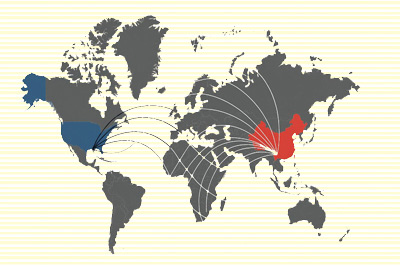
Last Monday, Bloomberg reported that central banks around the world drew 111.6 billion yuan ($16.4 billion) from the People’s Bank of China’s swap lines in Q1 2026. That was the highest quarterly use in two years, and a 45% jump from Q4. Meanwhile, on May 13, the Fed’s own swap drawdowns, sat at $42 million inside of a global dollar funding system measured in trillions. Read More |
 |
05.20.26- The Fed’s #1 Predictor of Inflation is Flashing Red Alert
By quick way of review:
|
 |
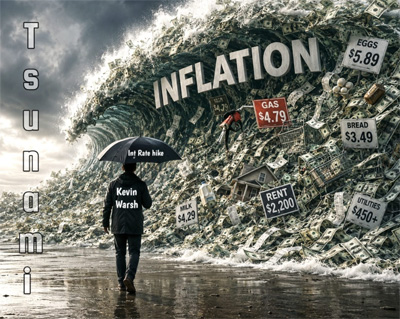
05.18.26- Kevin Warsh – Walking into an Inflationary Tsunami
|
 |
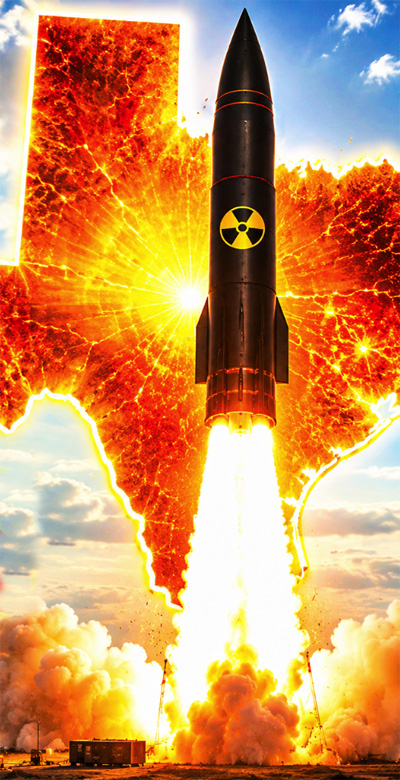
05.15.26- And Now, for Something Entirely Different: The Nuclear Missile That Vladimir Putin Just Tested Could Destroy An Area The Size Of The State Of Texas
|
 |
05.13.26- Central banks are still
|
 |
05.11.26- The First Domino has Fallen
The United Arab Emirates is not broke. It has roughly $95 billion in U.S. Treasury bonds, hundreds of billions in foreign exchange reserves, and access to trillions more through its sovereign wealth funds. Read More |
 |
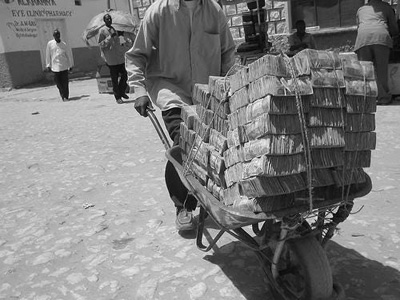
05.08.26- The Risk of Hyperinflation
|
 |
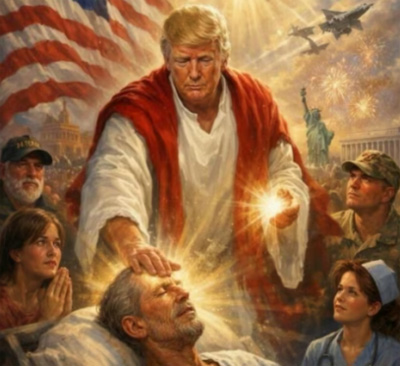
05.06.26- And Now, for Something Entirely Different: Has President Donald Trump
This remarkable achievement came despite the absolutely unprecedented campaign of harassment, suppression, and deplatforming that he faced. His bitter enemies not only had him banned from virtually all standard Internet services but even arranged for the confiscation of his web domains, something that previously would have seemed unimaginable. Read More |
 |
05.04.26- The Overlooked Retirement Crisis Most Americans Are Facing
According to a recent survey highlighted by Fox Business, nearly half of Gen X workers now expect to delay retirement. Even more striking – only 38% believe they’re on track to retire when they originally planned. These numbers aren’t surprising, though, and they aren’t limited to Gen X. Read More |
 |
05.01.26- Those Big, Beautiful Bonds
|
 |
04.29.26- And Now, for Something Entirely Different: Liberty, Duty, and America’s Future ~ To Remain Free in America
The problem remains that many Americans do know these truths, and yet they still choose to ignore and work against them in favor of an agenda that kills freedom and liberty for all, for their own benefit and gain and power. Read More |
 |
04.27.26- The Money Printers Have Crossed the Point of No Return
It is now clear that the pandemic opened the door to an amount of money printing/ stimulus that was previously unthinkable. It is also clear that once policymakers (governments and central banks) crossed that threshold, that they will never return to what was previously “normal.” Read More |
 |
04.24.26- A Look Behind the Fed’s Curtains
|
 |
04.22.26- War and QE Mean Higher Inflation
|
 |
04.20.26- This Inflation Is Different Than COVID Inflation
|
 |
|
 |
04.15.26- Federal Spending Rises to Post-Covid High in Wake of DOGE Failure
|
 |
04.13.26- The Dollar Isn't Collapsing – It's Being Replaced Slowly
Now, I’m not talking about an immediate radical shift in how the world approaches the dollar. But I am talking about a clear and definite shift away from the dollar, a shift that didn’t start in the last few weeks. Read More |
 |
04.10.26- The 1970s Are Back – But This Time the Fed Is Cornered
A question raised in recent coverage – including analysis discussed by BBC – cuts to the heart of today’s macro debate: Are we seeing a meaningful replay of the 1970s, or just a lookalike? Read More |
 |
04.08.26- Is the Dollar Collapsing? 8 Key Indicators You Can’t Ignore
Indicator #1: Federal Budget DeficitsIt’s important to note that these projections rest on the ridiculous assumption that there will be no wars, recessions, or other events that drive additional federal spending. That assumption is already out the window with the Iran war: the Pentagon has requested an additional $200 billion, for starters. Read More |
 |
04.06.26- Central Bank Gold Buying Rebounded in February
In total, central banks globally added a net 19 tonnes of gold to their reserves in February. That was up from just 5 tonnes in January. Read More |
 |
04.03.26- Rising Prices and Falling Values—Inflation and Social Decay
Living standards have taken a big step backward recently and are trending even worse. What is really going on? Read More |
 |
04.01.26- I'm Sorry, But The Fed
|
 |
|
 |
03.27.26- The Fed Sees Higher Inflation Coming — and May Cut Rates Anyway
|
 |
03.25.26- The Fed Just Admitted It’s Powerless
|
 |
03.23.26- And Now, for Something Entirely Different: The Political Left, Multiculturalism And The Dark Alliance With Islam
|
 |
03.20.26- The Iran War Is About to Unleash a Inflation Shock the Fed Can’t Stop
When most people think about oil and its uses, they think of gasoline and cars. But the reality is that oil prices input to just about everything in the economy. In this contex, higher oil prices can cripple an economy in a step by step fashion. Read More |
 |
03.18.26- All This Fuss About A Fiat Dollar
There are even those who, over the years, have predicted that the continued massive creation of fiat dollars may well lead to price controls, destruction of savings, looting, riots and, possibly, even revolution. A decade ago, such predictions were regarded by most as nonsense. Today, all of these eventualities seem more likely, although there still remains a strong contingent (possibly even a majority) who believe that, “It can’t happen here.” Read More |
 |
03.16.26- The Myth of Fed Independence—and How to Actually Stop the Inflation Machine
That’s surely a screaming failure by every pre-1980s notion of the role of the central bank because in those halcyon times maintaining the integrity of the currency ranked high above all other considerations. Read More |
 |
03.13.26- And Now, for Something Entirely Different: Maybe Attacking Iran Was Not Such A Good Idea
The completely unprovoked attack on Iran initiated by the United States and Israel has, after a little more than a week of military action, opened a new depth of geopolitical insanity. As suspected, the attack was all about protecting Israel while also minimizing the damage to US military, intelligence and diplomatic facilities in the Persian Gulf region. Read More |
 |
03.11.26- Loans to Nonbanks Threaten Banking Crisis
|
 |
03.09.26 - And Now, for Something Entirely Different: The Mosaic of Death by a Thousand Cuts
Iran’s Decentralized Mosaic Defense – the official denomination – keeps being tweaked 24/7: that’s the IRGC’s long-term strategy of a death by a thousand cuts designed to bleed the Empire of Chaos dry. Let’s wade through the interconnected canals permeating the unconstitutional, unwinnable, strategically catastrophic Empire of Chaos-built swamp. Read More |
 |
03.06.26- And Now, for Something Entirely Different: What Happens Next In Iran? Decapitation, Quagmire Or WWIII?
|
 |
03.04.26- And Now, for Something Entirely Different: Iran Has Closed The Strait Of Hormuz, How High Will The Price Of Oil Go?
|
 |
03.02.26- When Central Bankers Worry About Aliens, the Problem Isn’t Aliens
Why, of course, you call on an alien invasion. The Independent recently ran the headline, “Bank of England must plan for a financial crisis triggered by aliens, says former policy expert,” with the subhead, “Financial markets could collapse if the American government confirms the existence of alien life.” Read More |
 |
02.27.26- The Mechanism of Financial Control
The narrative rested on two prongs.
|
 |
02.25.26- The Mechanism of Financial Control
|
 |
02.23.26- Bad Boy Gives his Bad Report Card – a Bad Report
|
 |
02.20.26- The “Super-rich” Of Wall St. Are Preparing For A SHTF Collapse
I promise you they most definitely ARE! I have very close friends who own multi-million dollar companies and I can tell you that they’re also the most concerned people I know when it comes to what lies ahead for our country. Read More |
|
02.18.26- And Now, for Something Entirely Different: Justice is Coming
But it’s not too soon to forecast what will happen between now and this summer. The Republican legal response to years of Democrat lawfare is coming down the track like a runaway train. Get ready for legal and political turmoil to match the financial and turmoil we already see. Put on your crash helmets. Read More |
 |
02.16.26- And Now, for Something Entirely Different: Early Signs of Economic Stress
It’s pattern recognition. If you’ve ever cooked pancakes long enough, you know when one is about to burn – not because you can see the future, but because you’ve seen the signs before. The bubbles change. The smell shifts. The timing feels familiar. Read More |
 |
02.13.26- The ‘Empire Killer’ Strikes Again
While military defeats, political upheavals, and external invasions often dominate historical accounts of the fall of great powers, excessive debt—the “Empire Killer”—has quietly but relentlessly eroded the foundations of empires across the centuries. Read More |
 |
02.11.26- The Hidden Cost of Government Spending (It Isn't What You Think)
It never ceases to amaze me how often big decisions are judged only by their short-term results. Read More |
 |
02.09.26- Have Fiat Money, Will Tyrannize
|
 |
02.06.26- And Now, for Something Entirely Different: A Geopolitical Earthquake
|
 |
02.04.26- Warsh or Not, The Fed’s Next Chair Will Inherit Too Much Power
|
 |
02.02.26- The True Dollar Price to Redeem an Ounce of Gold
|
 |
01.28.26- De-Dollarization? Gold Over Debt - The End Of The Keynesian
|
 |
01.26.26- The Dark Truth About Trump’s Attack on the Fed
The crime in question concerns Fed Chair Powell’s testimony to congress regarding the Fed’s renovations of its D.C. headquarters. Read More |
 |
01.23.26- Trump's Spat With The Fed Is Not About Central Bank Independence
Central banks function as the government’s banker, issue currency, maintain the payment system and manage the nation’s currency reserves. They safeguard financial stability acting as a lender of last resort to banks although separate bodies sometimes regulate the financial system. Read More |
 |
01.21.26- The Powell Affair and the Limits of The Fed’s Immunity
|
 |
01.19.26- The Myth of a Self-Financed Fed
At this point, extravagant government boondoggles are barely newsworthy. A few people batted their eyelashes last week at Trump’s proposal to expand military funding by half a trillion dollars but everyone has forgotten about it now because it was last week and attention spans are measured in seconds these days. Read More |
 |
01.16.26- The Central Banking Establishment Is Genuinely Worried About Trump, but Not for the Reasons They Say
The subpoenas concern statements Powell made to the Senate Banking Committee last summer about renovations to the Eccles Building—the Fed’s headquarters in Washington, DC. Read More |
 |
01.14.26- Major Attack on Fed’s Independence
DOJ Subpoenas Spark Dollar SelloffOn Sunday, January 11, the Department of Justice served grand jury subpoenas to the Federal Reserve over Chair Jerome Powell's congressional testimony regarding headquarters renovation costs. Gold immediately surged 3% to record highs above $4,600, the value of the USD Index declined, and the "Sell America" trade returned with a vengeance. Read More
|
 |
01.12.26- US Fed Gold Revaluation Plan, So Gold Stackers Watch Immediately
|
 |
01.09.26- 5 Signs the Fed Is Quietly Pivoting Again
The financial system, he says, increasingly resembles 2019, when cracks began showing after the Fed attempted to tighten policy. Read More |
 |
01.07.26- The Fed, Gold, and Crypto: Freedom and Competing Currencies
|
 |
01.05.26- Will The US Hit A Deflationary Wall Or Will The Fed Inflate Again In 2026?
|
 |
01.02.26- The Interest Rate Question
|

 |
 |
 |
 |
 |
 |
 |
 |
 |
 |
 Yield curve control, or YCC, may sound like an obscure technical policy.
 Federal Reserve chairman
 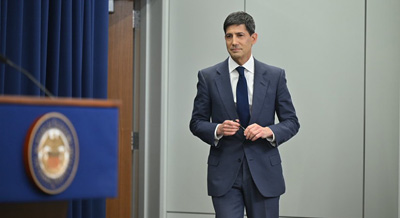 Fed Chair Kevin Warsh made a promise last week that every American family would love to see fulfilled.
 It is trite to observe that the ideal of free speech applies not only to those with whom we agree, but also—even more so—to those with whom we disagree. Free speech is always important in defending liberty, but it becomes even more so when debating the justice of war. The causes of war are inevitably contested, and it would be impossible to avoid the evils of aggressive wars if critical voices against war are silenced.
  To the Mogambo Guru, pen name of financial analyst Richard Daughty who passed away in 2022, the Federal Reserve were a gang of drunken arsonists locked inside the nation’s monetary basement, ecstatically spraying gasoline on the future while court economists in bespoke suits assured the public there was nothing to worry about. His style developed over the years from pointedly critical, no-words-wasted prose to theatrical, hyperbolic, hilarious, manic, and impossible to ignore alarm. To Mogambo, Fed monetary debasement was a five-alarm fire no one hears.
 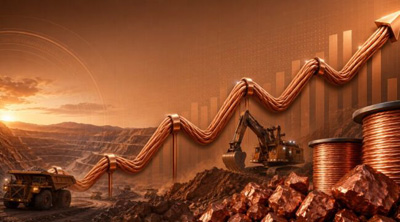 All eyes are on oil thanks to the war in Iran. It gets all the headlines.
  According to the University of Michigan’s latest Index of Consumer Sentiment, a record number of Americans have negative views of the economy. This is yet more evidence that the American people are dissatisfied with their economic condition. Some commentators have claimed to be perplexed by the people’s negative views of the economy since government statistics show that most Americans have good jobs that pay them good salaries.
  Some economic contradictions are easy to ignore – until they show up in your grocery bill.









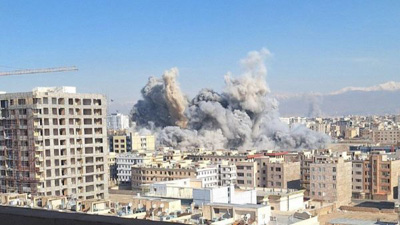 Trump unleashes the Israeli monsters
 Last week, the Federal Deposit Insurance Corp released the industry data for US banks for 2025. On the surface, the numbers look reassuring, even strong. But beneath the calm headline figures lies a growing risk that investors should not ignore. Domestic deposits increased for the sixth consecutive quarter in Q4 2025 by $318.3 billion or 1.8%, the FDIC reports. Loans grew by 2% in Q4 and almost 6% YOY. Foreign deposits grew 11%, but subordinated debt and FHLB advances each fell ~ 14% as banks shed excess capital and funding.
 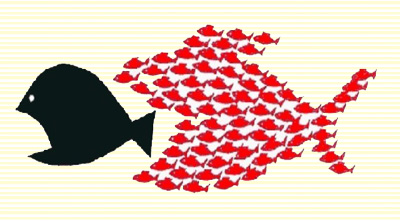 This is a Structured War of Attrition. And the screenplay has been written in Tehran.
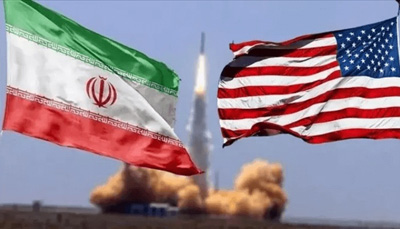 Before I begin this analysis of the situation in the Middle East and its consequences, I want to warn people that this examination is going to be largely secular and nuanced; which means people on both sides of the divide are going to piss and moan about it. Frankly, I don’t care.
 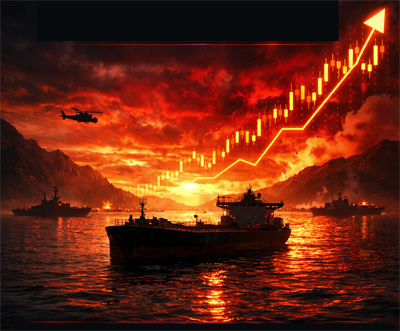 The war with Iran that we have been waiting for is officially here. The U.S. and Israel are absolutely pummeling Iranian military targets, and in return the Iranians are striking targets
 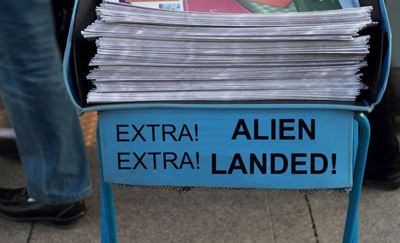 What do you do when the financial system is hanging by a thread and about to collapse?
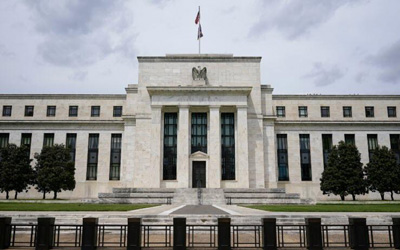 For the better part of a year, many had become convinced that the Federal Reserve's independence was in its final days.
 Webb explains how money has been turned into an extremely efficient tool of social domination. Through monetary incentives, people self-manage without the need for direct physical coercion. This allows the powers that be to maintain their influence with minimal energy expenditure. However, when this system fails—as in financial crises—physical control comes into play.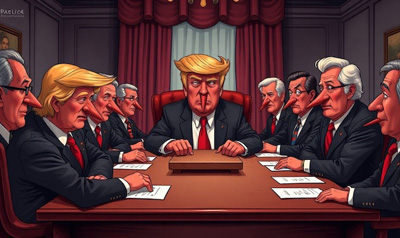

 It’s too soon to forecast the results of the mid-term elections. I’ll be doing that between July and November when we have a lot more information from which to make reasonable inferences about the outcome.
 One of the advantages of watching the economy for decades isn’t clairvoyance.
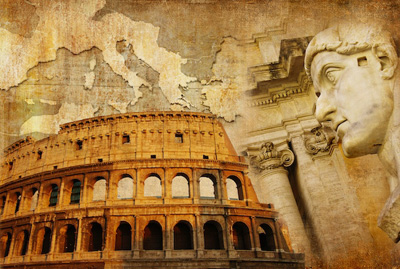 One of the most potent and underappreciated forces responsible for the downfall of the most powerful empires throughout history has been debt.
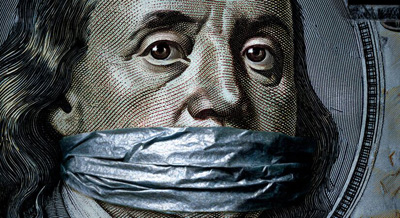 Government overspending has an unintended consequence that rarely gets mentioned: It quietly strips away our options. As debt grows, interest costs crowd out options – leaving fewer ways to meet obligations. This is what happens next…
 Our specialty is forecasting. We use multiple branches of science in our predictive analytic models including complexity theory, behavioral psychology, Bayes Theorem, neural networks (a form of artificial intelligence or AI), inference, subject matter expertise and good old-fashioned intuition to arrive at the market and geopolitical predictions we offer our readers.
  “Emergency” powers, half a trillion in daily liquidity, and ever-expanding authority create far too much discretion for one individual.
 In a
In a  Despite the consensus narrative, what we are currently experiencing globally is not “de‑dollarization,” but a broad loss of confidence in developed economies’ fiat currencies and sovereign debt as a reserve asset for central banks and institutions. This fundamental loss of confidence in the solvency of developed economies’ sovereign issuers is boosting demand for gold.
 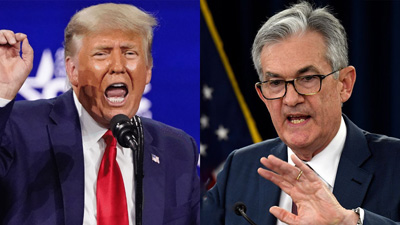 As you no doubt are aware, the Department of Justice is investigating the Fed and Fed Chair Jerome Powell as part of a criminal investigation.
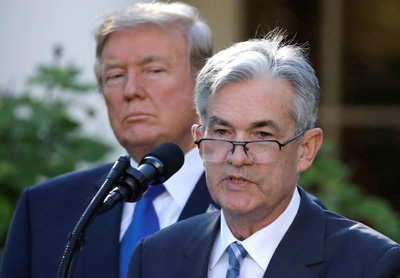 The spat between the White House and Fed Reserve Chairperson Jerome Powell, a President Trump appointment, is hardly unusual.
  The latest clash between President Trump, Federal Reserve Chair Powell, and the Department of Justice has been widely portrayed as a constitutional crisis for central bank independence. The DOJ is
 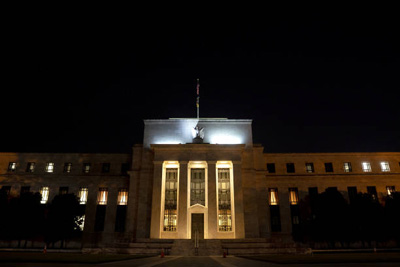 The estimated costs of the Fed’s building renovation project have risen from $1.9 billion to $2.5 billion. Hilariously, the Fed
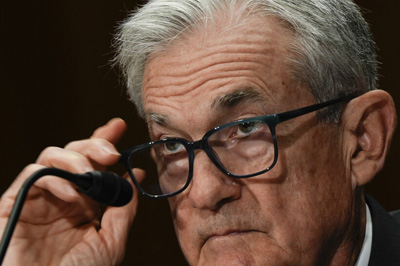
  On Sunday night, Federal Reserve chair Jerome Powell
  The precious metals market soared on Monday, most likely based on the most recent move in the Trump-Powell fight.
 In a recent episode of the Money Metals’ Midweek Memo podcast, host Mike Maharrey argues we are watching a familiar setup return.
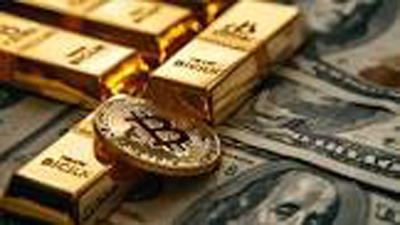 Economic freedom should include freedom in money. It’s a freedom even, as we say these days, that advanced economies don’t have. My guiding text for this talk is Friedrich Hayek’s celebrated essay “Choice in Currency.” That is chapter 7 of this excellent book—Hayek for the 21st Century: Essays in Political Economy—that the Mises Institute has published. It’s a classic text, and I hope you’ll all take a look at it if you haven’t.
 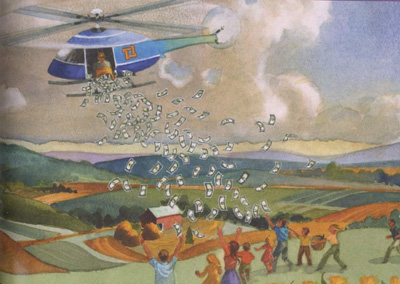 In a system dominated by Keynesian economics the word “deflation” is considered taboo; like saying Donald Trump’s name out loud in a crowded Seattle yoga studio. The screeching reaction you will get is rarely worth the effort of arguing the point. Every element of modern financial policy is designed to prevent a deflationary event. Every central bank policy is designed to artificially drag the economy out of deflation using whatever fiat stimulus is necessary.
  According to Frank Shostak who wrote for Mises Wire an essay entitled, Financial Bubbles: How they Make Us Poorer, “we rightly associate a bubble activity with an expansionary monetary policy of the central bank. This type of policy gives rise to various undertakings that, in the absence of the expansionary monetary policy, would not have emerged. An expansionary monetary policy - through the lowering of the interest rates via increases in the money supply - diverts savings to various projects that emerged on the back of the expansionary policy.....