Send this article to a friend:
February
13
2026
|
Send this article to a friend: February |
Why Our Kids Don’t Understand Silver — It Hasn’t Been Money Since Before They Were Born!
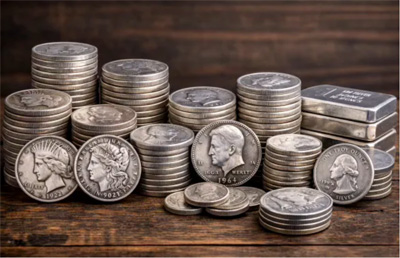
A member of our community sent me a short note recently that as an aging baby boomer really struck a nerve. It made me realize something uncomfortable but obvious in hindsight: my kids actually know very little about the metals markets. After all, the number of people alive who remember when coinage derived value from its silver content is going down all the time. I had simply assumed that everyone knew what I knew — what the different coins were, why they mattered, and how to avoid getting ripped off. That assumption was wrong. So I immediately sat down, wrote a similar letter to my own children, and sent it off to them right away. I’m sharing a cleaned-up, anonymized version here because I suspect a lot of parents are in the same position. The Letter Dear Kids, I’m sharing this on today’s date — January 7, 2026. I want to be very clear up front: I’m doing this while I’m in good health and enjoying life, not because of any worry. This is simply about education and planning. Over the years I’ve accumulated silver and gold intentionally. More importantly, I didn’t just store it — I used it. The metals helped pay for weddings, bar mitzvahs, houses, and opportunities that mattered. They were a quiet partner that showed up when it counted. If you are judicious, the metal will treat you as well as it treated me. The most important thing to understand is that not all coins are created equal, even when they look similar.
That distinction matters enormously. Confusing a 1964 Kennedy half dollar (90%) with a 1965–1970 Kennedy half dollar (40%) is one of the easiest and most expensive mistakes people make. Silver dollars require extra care:
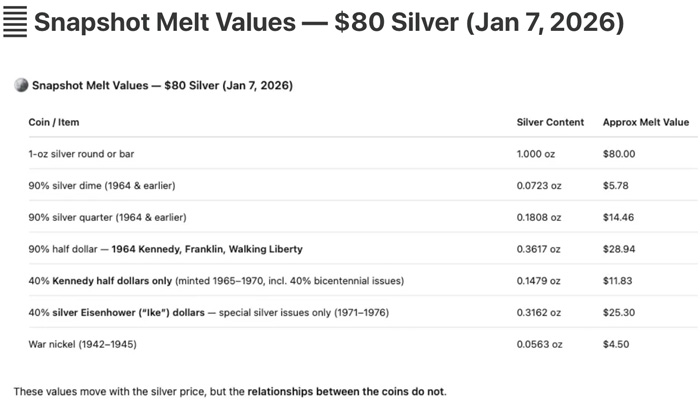
Pure silver bars and rounds are simple: their value is almost exactly their weight in troy ounces multiplied by the silver price of the day. U.S. coins are different — their real value comes from the amount of silver inside them, not the face value stamped on them. Below is a snapshot of what common items are worth using $80 per ounce silver, as of January 7, 2026.
Please avoid scammers. Flea-market buyers, pop-up “cash-for-gold” places, and anyone who rushes you are almost always rip-offs. They rely on confusion. Bulk selling on large online platforms can also destroy value through fees, shipping risk, and disputes. If you ever need professional guidance or a fair quote, you can call Andy Schectman — (952) 929-7006. He understands these distinctions and explains them clearly instead of playing games. Finally, remember this: you don’t have to sell. If you don’t need the money, holding physical silver and gold is perfectly reasonable. These metals are already worth many times what they originally cost, and ongoing shortages suggest they may continue to appreciate over time. Think of this stack as real money, real education, and real optionality. Be patient, be careful, and don’t let anyone pressure you. Dad
|
Send this article to a friend:
 |
 |
 |